Reducing manufacturing downtime with lithium material handling batteries

Stable voltage limits slowdowns


Production deadlines slip when trucks and tuggers crawl across the floor. Conventional lead-acid batteries lose voltage as they discharge, which cuts travel speed and lift force. A lithium material handling battery holds voltage almost constant until the final minutes of a shift, so automated guided vehicles, assembly feeders, and line-side pallet jacks maintain rated performance from start to finish.

Quick recharge restores equipment availability


Lead-acid units can spend eight hours on a charger before they cool enough for service. A lithium pack regains full capacity in about two hours and supports opportunity charging during line changeovers or quality checks without shortening its life. Shorter charge windows reduce the number of standby batteries and floor space set aside for spares.

Low-touch upkeep returns technician hours


Weekly watering, terminal cleaning, and equalization cycles vanish with sealed lithium chemistry. Day-to-day care amounts to a brief visual inspection and a glance at the onboard display. Maintenance teams can redirect those recovered hours to predictive tasks such as vibration analysis, which drive overall equipment effectiveness.

Long service life steadies capital budgets


A typical lead-acid pack delivers about 1,400 cycles. Lithium alternatives often exceed 3,000 before noticeable capacity loss. Fewer change-outs lower procurement spend, cut hazardous-waste fees, and give finance teams predictable depreciation schedules. Plants exploring upgrades can compare options in the motive power portfolio to match voltage and footprint requirements.

Implementation checklist

  • Verify lithium pack voltage, weight, and dimensions align with existing trucks and lifts.
  • Position high-efficiency chargers near natural pause points to encourage brief top-ups.
  • Record baseline battery-related downtime, then track post-conversion gains through the battery management dashboard.

Manufacturers that adopt lithium material handling batteries report sharper throughput, smaller utility bills, and leaner maintenance schedules. Request a customized efficiency assessment to learn how quickly your facility can achieve similar gains.
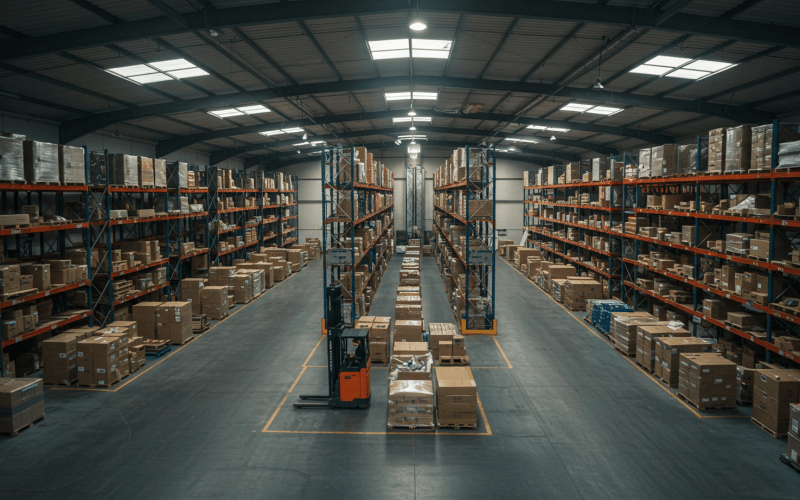
Advanced power solutions for cold chain logistics with lithium batteries

Reliable power in deep-freeze zones

Lead-acid packs lose voltage as temperatures drop, slowing forklifts and extending door-open times. Lithium batteries deliver steady output to –20°F, so operators keep rated travel speed and lift height. Consistent performance protects temperature-sensitive freight and keeps blast-freezer lanes moving without backup trucks.

Two-hour charging sustains round-the-clock workflows

A lead-acid unit can occupy a charger for eight hours. A comparable lithium pack regains full capacity in about two hours and accepts opportunity charging during sanitation breaks without shortening life. Rapid turnaround limits spare-battery inventory and prevents bottlenecks at staging lanes during peak receipts.

High efficiency reduces refrigeration load

Lead-acid chemistry wastes roughly one-quarter of incoming electricity as heat, forcing compressors to work harder. Lithium cells approach ninety-eight percent charging efficiency, trimming kilowatt-hour draw and lowering heat gain inside refrigerated docks. Facilities often confirm projected savings with the Green Cubes energy calculator.

Maintenance simplicity supports food safety

Weekly watering and acid cleanup introduce splash hazards near packaged goods. Sealed lithium designs eliminate those tasks; daily care drops to a quick walk-around and a glance at the battery management display. Technicians redirect recovered hours to evaporator fan checks and door-seal inspections that directly influence audit scores.

Extended life strengthens capital planning

Lead-acid packs average 1,400 cycles, while lithium alternatives commonly exceed 3,000 before noticeable capacity loss. Fewer replacements lower procurement spend, reduce hazardous-waste paperwork, and provide predictable depreciation schedules.

Implementation roadmap

  • Confirm lithium pack voltage, weight, and footprint match existing lift models.
  • Install high-efficiency chargers in vestibules just outside freezer doors to shield electronics.
  • Train operators to plug in during sanitation and documentation breaks.
  • Record baseline energy use and freezer-door dwell time, then compare post-conversion metrics.

Cold chain operations that transition to lithium batteries report smaller utility bills, faster pallet movement, and leaner maintenance schedules. Explore Green Cubes cold chain battery solutions or request a tailored savings analysis to learn how quickly your facility can capture similar gains.

Green Cubes Technology
Privacy Overview

This website uses cookies so that we can provide you with the best user experience possible. Cookie information is stored in your browser and performs functions such as recognising you when you return to our website and helping our team to understand which sections of the website you find most interesting and useful.