
Green Cubes Technology Featured in AviationPros Podcast

Our GSE Sales Manager, Jerry Crump, and our Senior Product Manager, Darin Kiefer Join Ground Support Worldwide Editor Jenny Lescohier in an AviationPros Podcast to discuss how lithium battery systems are helping ground handlers address real-world operational challenges. Listen now!

About Green Cubes Technology

Green Cubes Technology develops and manufactures safe and reliable electrification solutions that enable its OEM and enterprise customers to transition from Lead Acid and Internal Combustion Engine (ICE) power to Lithium-ion battery power. Green Cubes utilizes proven hardware and software platforms to build the most reliable Lithium power solutions in its industries. With employees across six countries, Green Cubes has been producing innovative, high-performance, and high-quality power solutions since 1986.

For more information about Lithium SAFEFlex PLUS and other battery solutions, please visit greencubes.com or email info@greencubestech.com
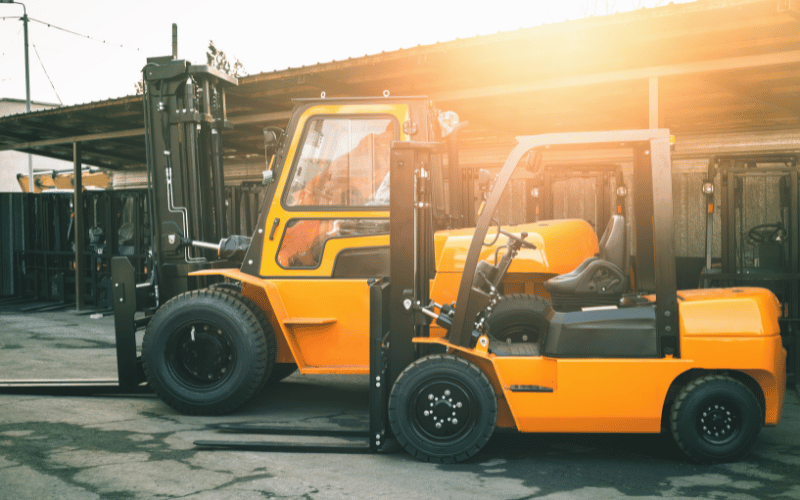
 

Green Cubes Technology Featured in Forkliftaction: Leading the Charge in Lithium Power

Green Cubes Technology is back in the spotlight—this time in Forkliftaction, featuring insights from Tony Cooper on the future of electrification in material handling. Discover how Green Cubes continues to push the industry forward with lithium power innovations that improve performance, efficiency, and sustainability. Click here to read the full article.

About Green Cubes Technology

Green Cubes Technology develops and manufactures safe and reliable electrification solutions that enable its OEM and enterprise customers to transition from Lead Acid and Internal Combustion Engine (ICE) power to Lithium-ion battery power. Green Cubes utilizes proven hardware and software platforms to build the most reliable Lithium power solutions in its industries. With employees across six countries, Green Cubes has been producing innovative, high-performance, and high-quality power solutions since 1986.

For more information about Lithium SAFEFlex PLUS and other battery solutions, please visit greencubes.com or email info@greencubestech.com

 

Material Handling Batteries Explained for Forklifts, Pallet Jacks, and More

“Material handling batteries” is a broad term, but the goal is simple: keep equipment moving so receiving, storage, and shipping do not stall. From forklift batteries to pallet jack batteries, the right battery setup affects uptime, charging flow, and how much maintenance your team has to touch every week.

This guide breaks down what material handling batteries are, where they’re used, what specs matter, and how to think about charging and safety. If you are early in research, use this as a starting point before comparing quotes or planning a fleet upgrade.

What are material handling batteries?

Material handling batteries are industrial batteries designed to power warehouse and distribution equipment such as lift trucks, pallet trucks, and stackers. Unlike consumer batteries, these are built for daily cycles, heavy load demand, and charging routines that have to work inside real operations.

Most fleets will run one of two common battery categories:

  • Lead-acid (traditional, common in legacy fleets)
  • Lithium (often selected for faster charging, less maintenance, and opportunity charging strategies)

The “best” option is the one that matches your equipment, your shift pattern, and your charging reality.

Where material handling batteries are used

Material handling batteries show up across a range of warehouse equipment, including:

  • Forklifts (counterbalance, reach trucks, order pickers, and more)
  • Walkie pallet jacks and pallet trucks
  • Walkie stackers and compact stackers
  • Tuggers and tow tractors
  • Other specialty material handling equipment

This matters because battery requirements change by equipment class. Forklift batteries are often larger and have different weight and compartment requirements than pallet jack batteries, which are typically smaller pack formats.

Key battery specs you should understand

If you only remember a few things, remember these. They are what decide compatibility and performance.

Voltage

Voltage must match what the equipment is designed for. Common voltage classes include 24V, 36V, 48V, and 80V, depending on the application and truck class.

Capacity

Capacity is how much energy the battery can deliver before it needs a recharge. The right capacity depends on your duty cycle, not just the number of hours in a shift.

Physical fit and connections

Batteries must fit the compartment, match connector types, and work with the truck’s electrical system. A battery that “almost fits” becomes downtime fast.

Weight requirements

Especially for forklift batteries, battery weight can be part of the truck’s stability system. Always confirm weight requirements for each truck model if you are changing battery types.

Lead-acid vs lithium: what changes operationally

Most battery decisions are not technical. They are operational.

Lead-acid material handling batteries

Lead-acid can be a solid fit for some fleets, but it typically requires a disciplined routine. That includes longer charge windows and more routine maintenance tasks.

What teams often run into:

  • Long charge and cool-down windows that limit equipment availability
  • Maintenance requirements that get skipped when the floor gets busy
  • Performance that can decline as charge level drops
  • More planning needed for spare batteries or battery swaps in multi-shift operations

Lithium material handling batteries

Lithium is often chosen to reduce downtime and simplify day-to-day battery handling. It can also support a different charging approach: opportunity charging.

What fleets usually like about lithium:

  • Faster charging compared to traditional charge cycles
  • Ability to top up during breaks or natural pauses
  • Lower routine maintenance compared to lead-acid
  • More consistent power delivery through a shift

The key is not just “buy lithium.” The key is building a charging plan that your operators will actually follow.

How to choose the right battery for each equipment type

Material handling batteries should be selected by equipment class and usage. A one-size-fits-all approach usually fails.

Forklift batteries

For forklifts, focus on:

  • Voltage class and compartment fit
  • Weight and counterbalance requirements
  • Duty cycle intensity and lift height demand
  • Charging windows and charger placement
  • Data and visibility requirements if you manage large fleets

Forklift batteries are often where uptime gains show up fastest because bottlenecks compound when trucks are down.

Pallet jack batteries and walkies

For pallet jacks and walkies, focus on:

  • Battery pack format and connector compatibility
  • Short, frequent usage bursts that benefit from top-up charging
  • Charger accessibility for operators
  • Fleet count, since small equipment is often purchased in volume

Pallet jack batteries can quietly become a productivity problem because teams rely on them for everything, then feel it immediately when they are dead.

Mixed fleets

If you manage both forklifts and pallet trucks, create a simple fleet map:

  • Equipment model
  • Voltage
  • Battery type and format
  • Typical runtime patterns
  • Best charging locations

This will help you plan chargers and avoid buying batteries that only fit a portion of your fleet.

Chargers and charging strategy: the part that determines success

Batteries are only half the story. Charging behavior is what decides uptime.

Questions to answer:

  • Where will equipment plug in during the day?
  • Are chargers placed where operators naturally pause, or where wiring was easiest?
  • Do you need opportunity charging to support multiple shifts?
  • How many chargers do you need based on truck count and peak usage windows?
  • Is your electrical infrastructure ready for upgrades if required?

A basic but effective approach is to identify 2 to 3 natural plug-in points in the workflow and build your charging plan around them.

Safety and standards: keep it simple and consistent

Battery safety is not complicated, but it needs consistency.

Good safety practices include:

  • Daily visual checks of cables and connectors
  • Keeping charging zones clean, dry, and clearly marked
  • Training operators on what to do when a battery fault appears
  • Avoiding clutter in charging areas so equipment can plug in without risk

A battery program that improves safety also improves uptime, because it reduces incidents and out-of-service time.

Quick checklist: what to gather before you request a quote

If you want accurate recommendations or pricing, collect:

  • Equipment list by model and voltage
  • Battery compartment dimensions and connector types
  • Shift structure and typical runtime per equipment class
  • Charging locations and available electrical capacity
  • Any cold storage or dock exposure
  • Uptime goals for each lane or operation area

Once you have this, it becomes much easier to compare material handling batteries apples to apples.

Next step

If you want, send your equipment list, shift pattern, and a quick note about where chargers can be placed. We can recommend the right material handling batteries by equipment type, align a charging strategy that fits your operation, and help you move toward a quote with fewer surprises.

Pallet Jack Batteries With Lithium Options for Walkie Pallet Jacks and Warehouse Gear

Walkie pallet jacks and other light material-handling equipment do not look like “big battery” machines, but when they go down, the whole warehouse feels it. A dead pallet jack battery can slow receiving, staging, replenishment, and even order picking if your team is constantly swapping equipment or waiting for a charger.

If you are evaluating pallet jack batteries this year, lithium options are worth a serious look, especially for operations that need consistent uptime, faster charging, and less maintenance. This guide breaks down what matters most, how lead-acid compares to lithium, and what to check before you buy.

Where pallet jack batteries are used

Most electric walkie pallet jacks rely on a dedicated battery pack that powers travel, lifting, and control systems. Depending on your fleet, that may include:

  • Walkie pallet jacks (powered pallet trucks)
  • Walkie stackers and compact warehouse stackers
  • Tuggers and tow tractors in light-duty lanes
  • Other warehouse gear that uses similar battery packs and chargers

The exact battery format varies by brand and model, so the first step is identifying what your equipment actually needs.

The real reasons pallet jack batteries fail in daily operations

Battery problems are rarely just “old battery.” They are usually a mismatch between the equipment, the duty cycle, and how charging happens in the building.

Common causes:

  • Charging only happens at the end of a shift, so equipment dies mid-day
  • Chargers are too few, too slow, or placed where operators will not plug in
  • Battery maintenance gets skipped (watering, cleaning, equalization)
  • Cold areas and dock door cycles reduce effective runtime
  • Batteries are not sized for peak demand, especially during receiving surges

If any of these sound familiar, the right battery and charging strategy can fix more than one problem at once.

Lead-acid vs lithium for pallet jack batteries

Both options can work. The best choice depends on how your equipment is used and how disciplined charging can realistically be.

Lead-acid pallet jack battery basics

Lead-acid is common in legacy fleets and can be cost-effective up front. But it comes with requirements that many warehouses struggle to follow consistently.

Typical tradeoffs include:

  • Longer charge windows
  • More hands-on maintenance (watering, cleaning, equalization depending on the battery type)
  • Performance that can fade as charge drops
  • More downtime if the battery cannot be topped up between runs

Lithium pallet jack battery basics

Lithium options are often chosen to reduce downtime and maintenance and to support fast charging. In many operations, lithium also enables a different behavior: opportunity charging.

Typical advantages include:

  • Faster charging compared to traditional routines
  • Ability to top up during breaks or short pauses
  • No watering and lower routine maintenance
  • More consistent power delivery through the shift

The key is making sure lithium is configured correctly for your equipment and your charging environment.

How to choose the right pallet jack batteries for your fleet

If you are comparing quotes, do not start with price alone. Start with fit and operating reality.

1) Confirm voltage and battery format

Many walkie units use specific voltage classes and battery pack styles. Verify:

  • Voltage required by the truck
  • Battery compartment dimensions or pack footprint
  • Connector type and polarity
  • Any communication requirements between the battery and the equipment

A “close enough” battery can create faults, reduce performance, or cause avoidable wear.

2) Size capacity based on usage patterns

Capacity should match the way the truck is actually used, not a generic shift estimate.

Consider:

  • How many hours each unit runs daily
  • Peak windows (receiving, replenishment, end-of-shift rush)
  • Heavier loads or longer travel paths
  • Cold zones or dock exposure

If you plan to use opportunity charging, you can size around the longest stretch between natural plug-in points, instead of sizing for a full day on one charge.

3) Decide on a charging strategy before you buy

Charging determines uptime. Even the best pallet jack battery will disappoint if charging is chaotic.

Ask:

  • Where will operators plug in during the day?
  • Do you have enough chargers for the number of trucks in motion?
  • Do you need faster chargers to avoid bottlenecks?
  • Are chargers placed where people will actually use them?

A simple rule like “plug in during breaks” only works if the chargers are easy to access and the plug-in process is painless.

4) Compare maintenance expectations

This is where many lithium projects win internally. Less routine maintenance means fewer missed steps and fewer preventable failures.

If your team is already stretched thin, it is worth valuing maintenance reduction as an operational benefit, not just a nice feature.

Lithium options for walkie pallet jacks: when it makes the most sense

Lithium tends to be a strong fit when:

  • You need multi-shift uptime or heavy daily usage
  • Equipment dies mid-day and disrupts workflows
  • You want opportunity charging to replace battery swaps or long charge windows
  • Maintenance discipline is inconsistent or hard to enforce
  • You want more predictable performance across the shift

If your operation is lighter duty, runs a single short shift, and has reliable end-of-shift charging discipline, lead-acid can still be a reasonable choice. The decision comes down to how much downtime and labor you are trying to eliminate.

Quick buyer checklist for pallet jack batteries

Use this checklist before requesting a quote:

  • Equipment list by model and voltage
  • Battery compartment dimensions or pack type
  • Connector type and charger compatibility
  • Daily runtime patterns and peak usage windows
  • Charging locations and plug-in opportunities
  • Cold zone exposure (freezer, dock doors, unheated areas)
  • Uptime goals (single shift vs multi-shift)

Next step: get the right fit, not just a battery

If you want to upgrade pallet jack batteries without guesswork, the fastest path is matching battery specs and charging strategy to your real workflow. Share your equipment models, shift structure, and charging layout, and we can recommend lithium options that fit your walkie pallet jacks and warehouse gear, then provide a quote.

Green Cubes Technology
Privacy Overview

This website uses cookies so that we can provide you with the best user experience possible. Cookie information is stored in your browser and performs functions such as recognising you when you return to our website and helping our team to understand which sections of the website you find most interesting and useful.