
Join us at MODEX 2026, Atlanta, GA. April 13-16, 2026, Georgia World Congress Center.
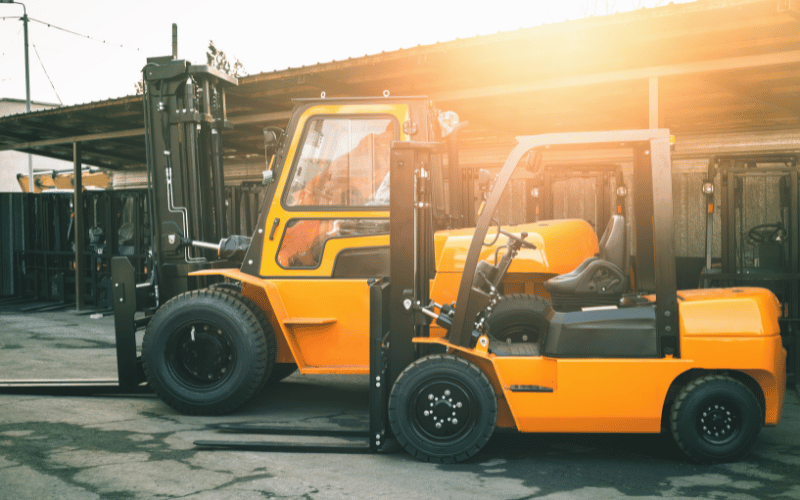
“Material handling batteries” is a broad term, but the goal is simple: keep equipment moving so receiving, storage, and shipping do not stall. From forklift batteries to pallet jack batteries, the right battery setup affects uptime, charging flow, and how much maintenance your team has to touch every week.
This guide breaks down what material handling batteries are, where they’re used, what specs matter, and how to think about charging and safety. If you are early in research, use this as a starting point before comparing quotes or planning a fleet upgrade.
What are material handling batteries?
Material handling batteries are industrial batteries designed to power warehouse and distribution equipment such as lift trucks, pallet trucks, and stackers. Unlike consumer batteries, these are built for daily cycles, heavy load demand, and charging routines that have to work inside real operations.
Most fleets will run one of two common battery categories:
- Lead-acid (traditional, common in legacy fleets)
- Lithium (often selected for faster charging, less maintenance, and opportunity charging strategies)
The “best” option is the one that matches your equipment, your shift pattern, and your charging reality.
Where material handling batteries are used
Material handling batteries show up across a range of warehouse equipment, including:
- Forklifts (counterbalance, reach trucks, order pickers, and more)
- Walkie pallet jacks and pallet trucks
- Walkie stackers and compact stackers
- Tuggers and tow tractors
- Other specialty material handling equipment
This matters because battery requirements change by equipment class. Forklift batteries are often larger and have different weight and compartment requirements than pallet jack batteries, which are typically smaller pack formats.
Key battery specs you should understand
If you only remember a few things, remember these. They are what decide compatibility and performance.
Voltage
Voltage must match what the equipment is designed for. Common voltage classes include 24V, 36V, 48V, and 80V, depending on the application and truck class.
Capacity
Capacity is how much energy the battery can deliver before it needs a recharge. The right capacity depends on your duty cycle, not just the number of hours in a shift.
Physical fit and connections
Batteries must fit the compartment, match connector types, and work with the truck’s electrical system. A battery that “almost fits” becomes downtime fast.
Weight requirements
Especially for forklift batteries, battery weight can be part of the truck’s stability system. Always confirm weight requirements for each truck model if you are changing battery types.
Lead-acid vs lithium: what changes operationally
Most battery decisions are not technical. They are operational.
Lead-acid material handling batteries
Lead-acid can be a solid fit for some fleets, but it typically requires a disciplined routine. That includes longer charge windows and more routine maintenance tasks.
What teams often run into:
- Long charge and cool-down windows that limit equipment availability
- Maintenance requirements that get skipped when the floor gets busy
- Performance that can decline as charge level drops
- More planning needed for spare batteries or battery swaps in multi-shift operations
Lithium material handling batteries
Lithium is often chosen to reduce downtime and simplify day-to-day battery handling. It can also support a different charging approach: opportunity charging.
What fleets usually like about lithium:
- Faster charging compared to traditional charge cycles
- Ability to top up during breaks or natural pauses
- Lower routine maintenance compared to lead-acid
- More consistent power delivery through a shift
The key is not just “buy lithium.” The key is building a charging plan that your operators will actually follow.
How to choose the right battery for each equipment type
Material handling batteries should be selected by equipment class and usage. A one-size-fits-all approach usually fails.
Forklift batteries
For forklifts, focus on:
- Voltage class and compartment fit
- Weight and counterbalance requirements
- Duty cycle intensity and lift height demand
- Charging windows and charger placement
- Data and visibility requirements if you manage large fleets
Forklift batteries are often where uptime gains show up fastest because bottlenecks compound when trucks are down.
Pallet jack batteries and walkies
For pallet jacks and walkies, focus on:
- Battery pack format and connector compatibility
- Short, frequent usage bursts that benefit from top-up charging
- Charger accessibility for operators
- Fleet count, since small equipment is often purchased in volume
Pallet jack batteries can quietly become a productivity problem because teams rely on them for everything, then feel it immediately when they are dead.
Mixed fleets
If you manage both forklifts and pallet trucks, create a simple fleet map:
- Equipment model
- Voltage
- Battery type and format
- Typical runtime patterns
- Best charging locations
This will help you plan chargers and avoid buying batteries that only fit a portion of your fleet.
Chargers and charging strategy: the part that determines success
Batteries are only half the story. Charging behavior is what decides uptime.
Questions to answer:
- Where will equipment plug in during the day?
- Are chargers placed where operators naturally pause, or where wiring was easiest?
- Do you need opportunity charging to support multiple shifts?
- How many chargers do you need based on truck count and peak usage windows?
- Is your electrical infrastructure ready for upgrades if required?
A basic but effective approach is to identify 2 to 3 natural plug-in points in the workflow and build your charging plan around them.
Safety and standards: keep it simple and consistent
Battery safety is not complicated, but it needs consistency.
Good safety practices include:
- Daily visual checks of cables and connectors
- Keeping charging zones clean, dry, and clearly marked
- Training operators on what to do when a battery fault appears
- Avoiding clutter in charging areas so equipment can plug in without risk
A battery program that improves safety also improves uptime, because it reduces incidents and out-of-service time.
Quick checklist: what to gather before you request a quote
If you want accurate recommendations or pricing, collect:
- Equipment list by model and voltage
- Battery compartment dimensions and connector types
- Shift structure and typical runtime per equipment class
- Charging locations and available electrical capacity
- Any cold storage or dock exposure
- Uptime goals for each lane or operation area
Once you have this, it becomes much easier to compare material handling batteries apples to apples.
Next step
If you want, send your equipment list, shift pattern, and a quick note about where chargers can be placed. We can recommend the right material handling batteries by equipment type, align a charging strategy that fits your operation, and help you move toward a quote with fewer surprises.
Category: Blog
DISCLAIMER Please note that everything posted on this site is up to date at the time of posting. Things change and products may be discontinued at any time. Please contact us for the most up to date information.