
When companies talk about fleet electrification, the conversation often jumps straight to vehicles, charging networks, and long-term infrastructure planning. That is important, but many organizations overlook a simpler first move: upgrading the equipment that already drives daily operations. For a lot of industrial sites, that equipment lives in the warehouse.
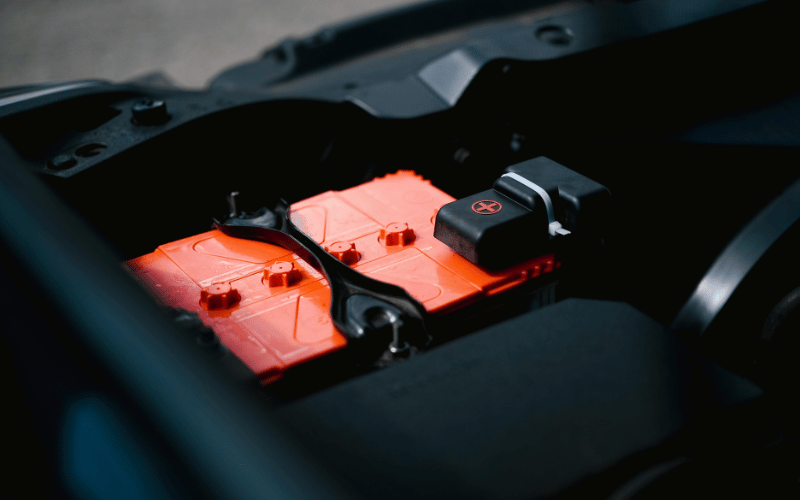
Forklifts and other material handling equipment consume energy every day and directly affect throughput. Upgrading forklift batteries can improve uptime quickly while building the internal habits, charging discipline, and operational confidence that make bigger electrification projects easier later.
This is why many organizations treat forklift batteries as a high-ROI entry point into fleet electrification.
Electrification is not only about vehicles, it is about workflows
Electrification succeeds when the operation is ready for it. That includes how people charge equipment, how maintenance supports the power system, how downtime is handled, and how the facility plans for electrical capacity. Warehouse fleets are often the best environment to mature those habits because the equipment returns to known locations, runs predictable patterns, and is already tied to shift schedules.
When you upgrade forklift batteries, you are not only changing the power source. You are creating a repeatable charging program. That program becomes a template for electrification in other areas of the business.
Why forklift batteries are a strategic first step
Forklift batteries sit at the intersection of uptime, labor, and safety. That makes them a practical lever for change.
Many warehouses still operate with charging routines that create friction: long charge windows, inconsistent plug-in behavior, battery room congestion, and performance drop-offs that slow productivity. These are not just inconveniences. They are operational constraints that affect cost and output.
A forklift battery upgrade can reduce those constraints quickly, which builds confidence internally. That confidence is valuable when leadership evaluates the next electrification investment.
Opportunity charging is often the turning point
One of the biggest changes modern battery programs enable is opportunity charging. Instead of treating charging as an end-of-shift event, the facility can align charging with natural pauses in the workflow. That can reduce mid-shift equipment downtime and minimize charger congestion.
The operational benefit is that you do not need to “stop the operation to charge.” You integrate charging into the operation. This is also one of the reasons forklift battery upgrades can improve uptime without requiring a complex rework of the building.
Better uptime means more than fewer dead trucks
Uptime is usually measured as whether a truck is available, but the real impact is broader. When forklifts stay consistent throughout a shift, the entire operation becomes smoother. Receiving lanes move faster. Replenishment stays on schedule. Pick paths are less interrupted. Supervisors spend less time playing equipment musical chairs.
That reduction in chaos has a compounding effect. It reduces overtime pressure, reduces congestion, and often improves safety because the floor is not constantly reacting to “we need a truck now” emergencies.
Reduced maintenance overhead supports electrification readiness
Electrification initiatives fail when maintenance burden increases beyond what the team can sustain. One reason forklift battery upgrades are attractive is that they can reduce battery-related maintenance tasks and simplify the routines that keep equipment in service.
When the battery program is simpler, consistency improves. When consistency improves, downtime drops. When downtime drops, the business becomes more willing to expand electrification beyond the warehouse.
The warehouse becomes a proving ground for scaling
A forklift battery upgrade can also reveal what the facility needs to scale electrification responsibly. It shows where chargers should live, whether electrical capacity is adequate, what training is required, and what data visibility makes the most difference.
This is valuable because it turns electrification into a measured rollout instead of a risky leap. You can start with a pilot, measure uptime improvements, refine charging behavior, then expand in phases.
How to plan a forklift battery upgrade that supports fleet electrification
A strong plan starts with clarity, not hardware.
First, define what success looks like. Is the goal to eliminate mid-shift downtime? Reduce maintenance hours? Support multiple shifts without battery swaps? Improve performance consistency? Once that is clear, you can align battery selection and charging strategy to those goals.
Then map your workflow. Where do forklifts naturally pause? Where can chargers be placed so operators will actually use them? Which lanes are most uptime-sensitive? This is how you turn “battery upgrade” into “electrification program.”
Next step: start where ROI is easiest to prove
Fleet electrification is a long-term journey, but forklift batteries can be an early win that builds momentum. If you share your forklift count, shift structure, and current charging approach, Green Cubes can help you identify the fastest path to improved uptime and a charging program that sets you up for broader electrification success.
DISCLAIMER Please note that everything posted on this site is up to date at the time of posting. Things change and products may be discontinued at any time. Please contact us for the most up to date information.